31 May 2026
Synchronizing Perk Pathways: How Introductory Incentives And Transfer Routes Build Commitment Across Handheld Chance Formats
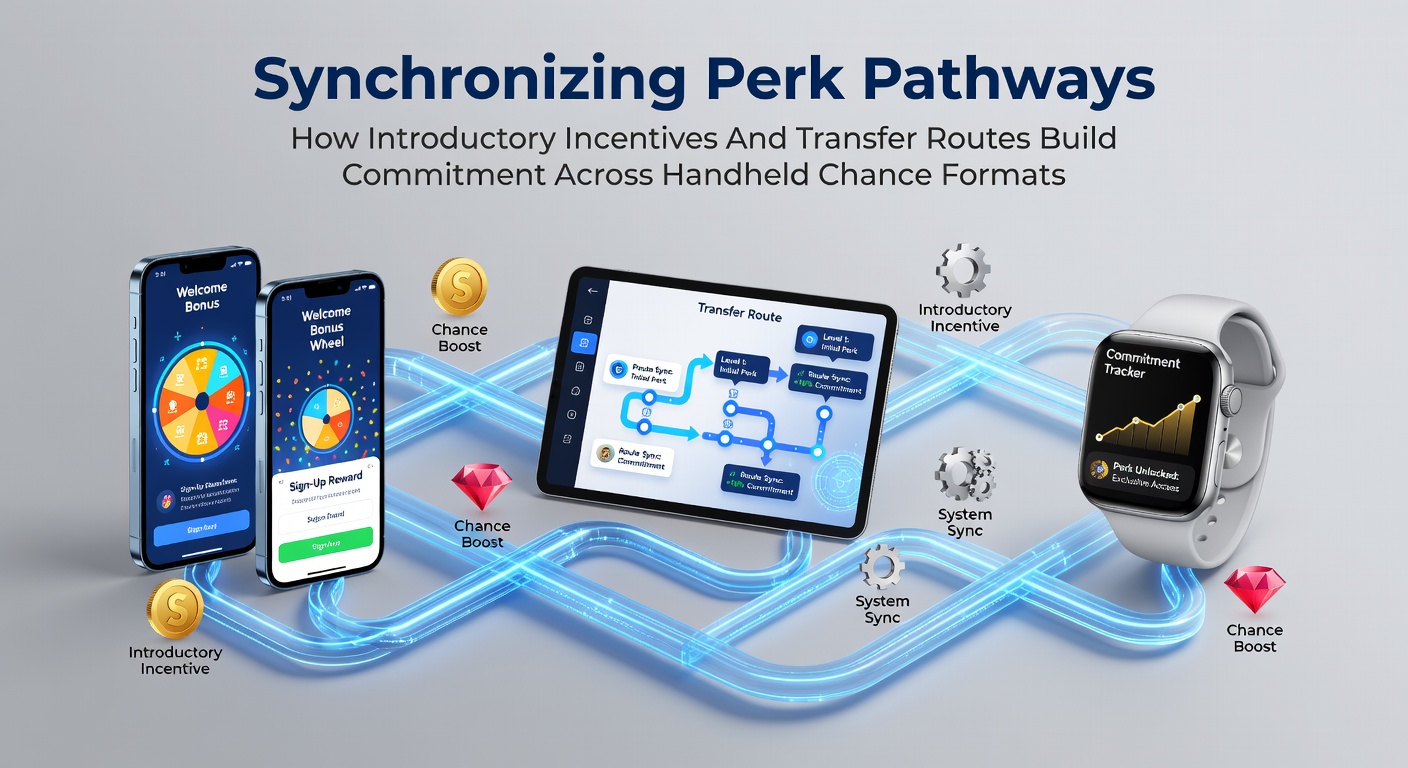
Operators in the handheld gaming sector have refined systems that connect introductory incentives directly to transfer mechanisms, creating pathways that encourage sustained participation across mobile slot and table formats. These structures typically begin with sign-up rewards such as matched deposits or free spin allocations, then extend into routes that move player value between game categories without interruption. Data from industry tracking shows that synchronized setups reduce drop-off rates during the transition from initial play to ongoing sessions, particularly when incentives align with status progression mechanics available on portable devices.
Mechanics of Introductory Incentives in Mobile Environments
Introductory offers in handheld chance formats often feature tiered deposit matches that activate upon first funding, paired with time-limited play credits redeemable across multiple titles. Research indicates these incentives perform best when they integrate with wallet systems that allow immediate transfer of earned value to new game types, such as moving winnings from slots into live dealer tables on the same application. Observers note that platforms synchronizing these entry points with device-specific features like push notifications and biometric logins maintain higher continuation rates through the first thirty days of activity. In May 2026 several major operators updated their mobile interfaces to display remaining incentive balances alongside transfer options, streamlining the process for users who switch between reel and table selections mid-session.
Transfer Routes and Their Integration With Perk Structures
Transfer routes function as connective tissue between different game libraries and loyalty layers, allowing accumulated credits or points to move fluidly without additional verification steps in most cases. These pathways commonly support instant movement of bonus funds from introductory packages into standard play modes or even across linked accounts on tablets and smartphones. Figures from mobile analytics providers reveal that applications enabling one-tap transfers between incentive pools and core balances see elevated session lengths compared to those requiring separate redemptions. Experts have observed that when transfer routes incorporate real-time status tier updates, players advance through commitment milestones more consistently, especially during periods when new game releases coincide with existing perk expirations.
Building Sustained Commitment Through Aligned Systems
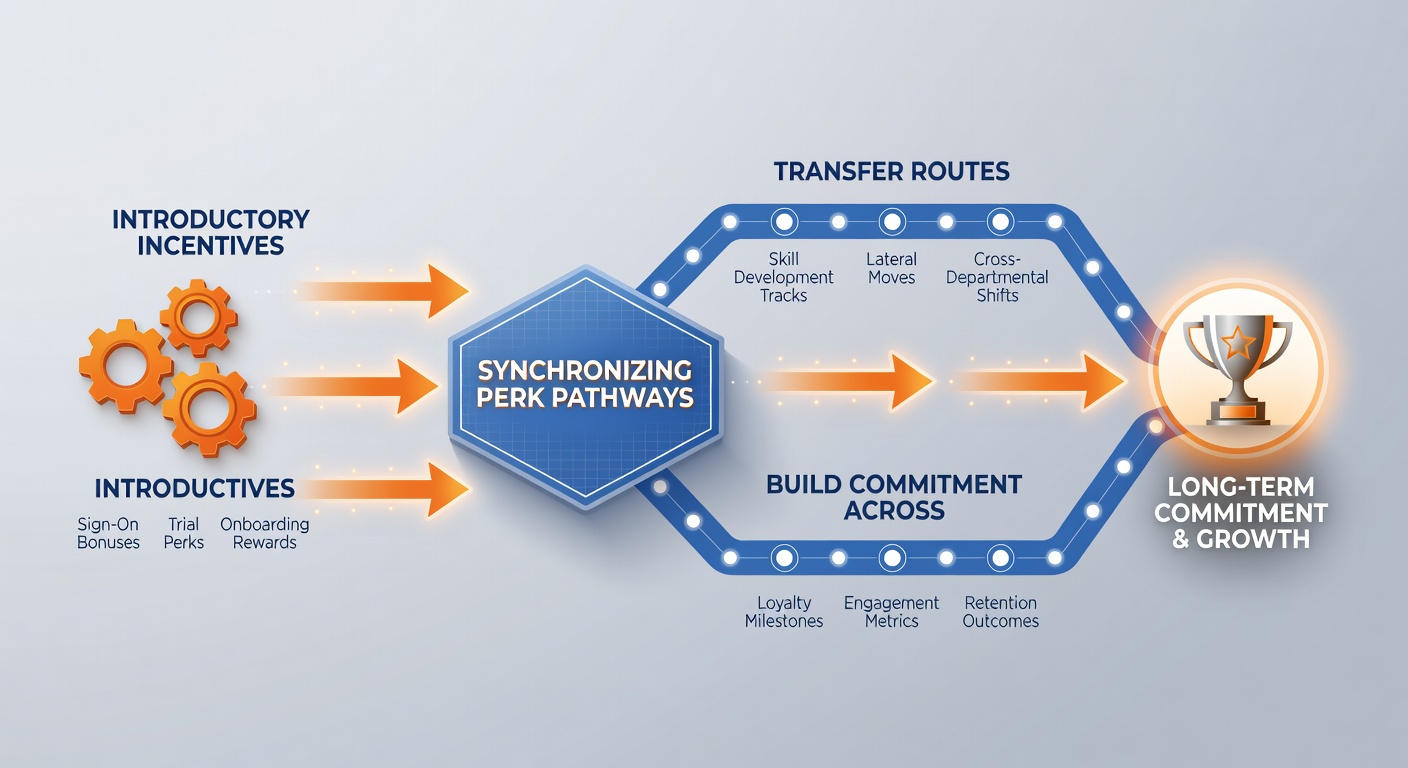
Commitment across handheld formats strengthens when introductory incentives feed directly into loyalty ladders via automated transfer protocols. Platforms that link welcome rewards to progressive status tiers report steadier retention patterns, as players receive incremental benefits that scale with continued activity on both slots and table games. Studies conducted by regional gaming associations demonstrate that synchronized pathways reduce friction during device switches, such as moving from phone to tablet, because value remains accessible without manual intervention. Those who track player behavior note that transfer routes incorporating cross-format multipliers, where points earned on one game type convert at favorable rates to another, contribute to extended play cycles throughout the calendar year.
Developments Observed in Mid-2026
By May 2026 several handheld platforms had introduced enhanced synchronization features that merge introductory incentive tracking with transfer route visibility in unified dashboards. These updates allow users to preview how current bonuses will convert when shifting between game categories or when progressing to higher loyalty levels. Reports from industry monitoring groups highlight that such integrations appear most frequently in markets where mobile penetration exceeds eighty percent of total gaming activity. Regulatory updates in multiple jurisdictions during this period emphasized transparent display of transfer rules, prompting operators to refine their pathway designs to meet clarity requirements while preserving the seamless movement of player value.
Conclusion
Synchronized perk pathways continue to shape how introductory incentives and transfer routes interact within handheld chance formats. The combination of entry-level rewards with fluid movement options supports longer-term engagement patterns across mobile slot and table environments. As platforms refine these connections through interface improvements and regulatory alignment, the underlying structures remain central to commitment development in portable gaming ecosystems.