2 Jul 2026
Security Protocols Shaping Bonus Access Patterns in Wireless Gaming Environments
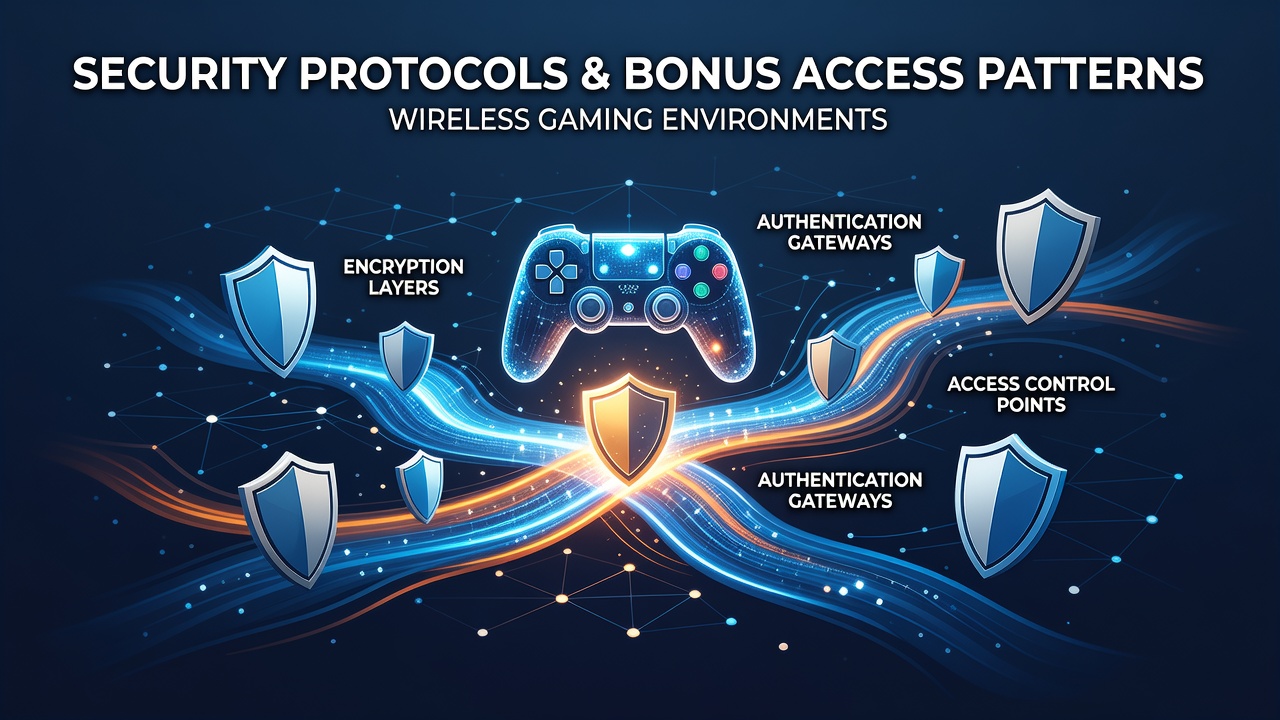
Wireless gaming platforms rely on layered security protocols that directly influence how players qualify for and redeem bonuses across mobile networks; these systems combine encryption standards, multi-factor authentication, and real-time fraud detection to verify identities before any promotional credits activate. Data from industry reports shows that operators implemented enhanced protocols throughout 2025 and into mid-2026, resulting in measurable shifts in access timing and frequency for bonus features on smartphone and tablet devices.
Core Security Layers in Mobile Gaming Networks
Encryption protocols such as TLS 1.3 and AES-256 protect data transmission between player devices and casino servers while device fingerprinting adds another verification step that cross-checks hardware identifiers against stored player profiles. Researchers at institutions tracking digital security trends note that these measures create sequential checkpoints where bonus eligibility gets confirmed only after all layers pass validation. In July 2026 several operators rolled out updated biometric options including facial recognition tied to account profiles, and this change coincided with reduced instances of bonus claims from unrecognized devices according to aggregated platform statistics.
Authentication flows now incorporate behavioral analytics that monitor swipe patterns, session duration, and location consistency before releasing introductory or loyalty-based incentives. When anomalies appear, systems flag accounts for additional review, which delays or restricts bonus activation until manual or automated clearance occurs. Observers note that these automated gates produce distinct access patterns where verified players experience seamless entry while new or flagged accounts encounter staggered release schedules.
Regulatory Drivers Behind Protocol Updates
Compliance requirements from multiple jurisdictions push operators to align security measures with anti-money laundering and counter-financing of terrorism rules; figures released by the Nevada Gaming Control Board indicate that wireless platforms accounted for a growing share of monitored transactions through the first half of 2026. Similar oversight from the Australian Communications and Media Authority has prompted adoption of geolocation verification that restricts bonus access when players attempt claims outside approved regions. These regulatory alignments create uniform patterns across platforms where bonus redemptions cluster around peak hours when verification queues process faster.
Observed Access Patterns and Platform Responses
Platform logs reveal that bonus claims via wireless connections peak shortly after successful multi-factor logins, yet attempts made through public networks trigger additional scrutiny that extends the interval between request and credit. Operators respond by routing high-risk sessions through dedicated verification servers, which produces predictable delays documented in quarterly compliance summaries. One study from a North American research consortium found that accounts passing all automated checks within thirty seconds received bonus activation at rates nearly double those requiring extended review.
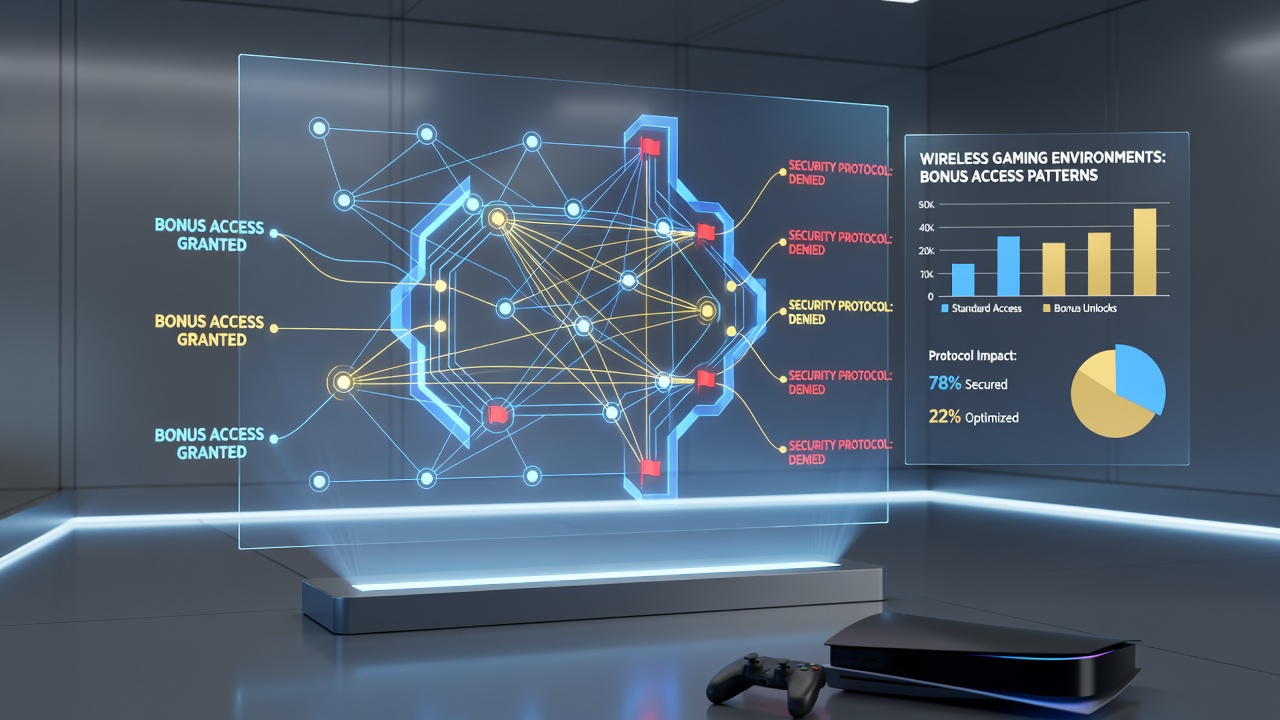
Geofencing combined with IP reputation scoring further shapes daily and weekly patterns; players connecting through residential or approved mobile carriers encounter fewer interruptions while those using VPNs or proxy services face automatic holds. Data compiled by the American Gaming Association shows that platforms integrating these controls reported a 12 percent drop in disputed bonus transactions during the second quarter of 2026, suggesting tighter alignment between security enforcement and promotional distribution.
Impact on Player Behavior and Platform Metrics
Players adapt to these protocols by establishing consistent device and network routines that minimize verification friction, leading to clustered bonus activity during evening hours when bandwidth and server loads support quicker processing. Transaction records indicate that loyalty tier advancements accelerate for accounts maintaining steady verified connections, whereas sporadic or high-risk access correlates with slower progression toward higher reward levels. Platform dashboards track these trends through heat maps that highlight optimal windows for bonus releases across different regions and device types.
Wireless environments introduce additional variables such as signal handoffs between cell towers and Wi-Fi networks, and security systems must re-authenticate during these transitions to maintain session integrity. When re-authentication succeeds without interruption, bonus features remain accessible; failed or delayed checks suspend access until reconnection stabilizes. Industry analysts tracking these events report that seamless handoff protocols introduced in early 2026 reduced average suspension times by several minutes per session.
Future Protocol Developments
Developers continue refining zero-knowledge proof methods that allow verification of eligibility without exposing full account details, a step expected to streamline bonus access while preserving privacy standards. Pilot programs running through summer 2026 test these approaches on select mobile titles, and preliminary results show faster claim processing for approved users alongside maintained fraud resistance. Integration with emerging 5G infrastructure further supports real-time checks that align security requirements with instantaneous bonus delivery on compatible devices.
Conclusion
Security protocols establish the operational framework that governs bonus access timing, eligibility verification, and redemption success rates across wireless gaming platforms. Continued alignment with regulatory standards and technological advancements produces measurable shifts in how and when players interact with promotional features, while data from oversight bodies and industry groups documents the resulting patterns through 2026 and beyond. These systems maintain platform integrity without eliminating access opportunities for verified participants.