14 Jun 2026
Linking Tier Benefits to Roulette Selections in App-Based Environments via Efficient Transfer Methods
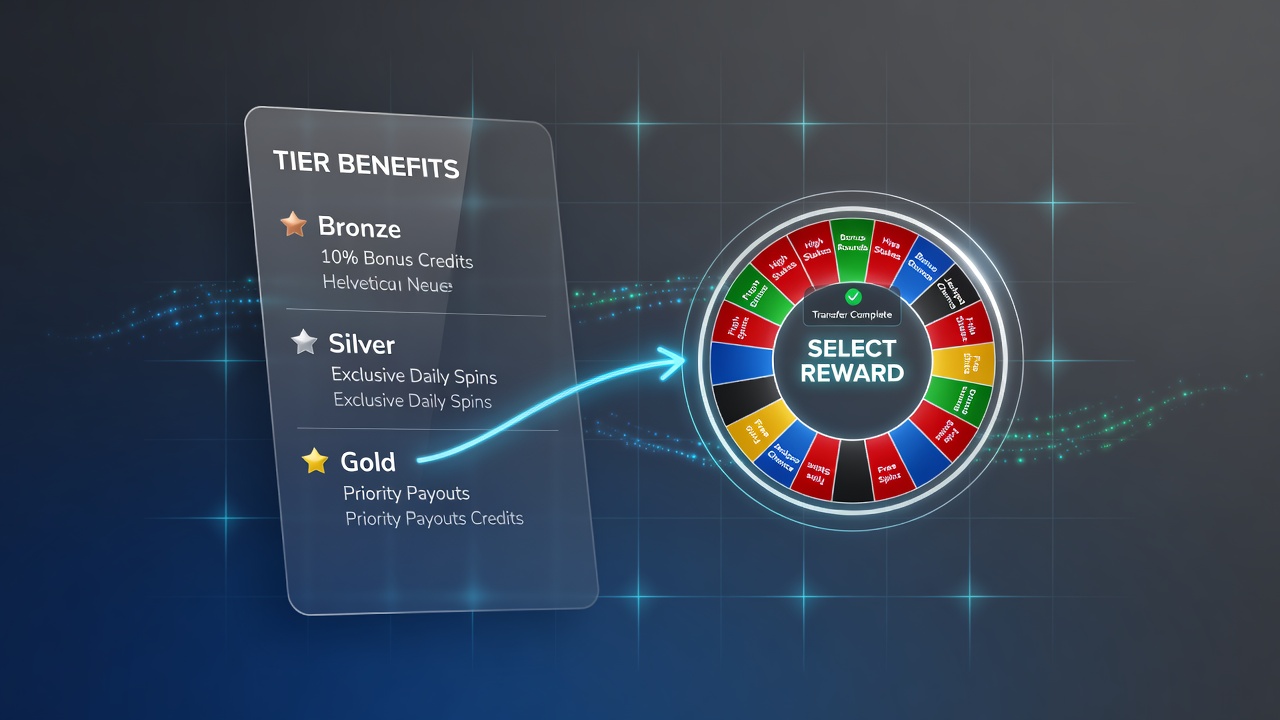
App-based roulette platforms connect player loyalty tiers directly to game selections through payment systems that move funds quickly between accounts and reward structures. Data from industry reports in June 2026 shows mobile roulette sessions increased across several markets as operators refined these connections between status levels and specific wheel variants like European or American formats. Observers note that efficient transfer tools allow users to fund play while automatically applying tier-based multipliers to bets or unlocking exclusive table options without separate steps.
Core Mechanics of Tier and Selection Integration
Operators structure loyalty programs so higher tiers grant access to roulette variants with adjusted house edges or bonus spins tied to deposit activity. Research indicates that when players complete transfers via integrated wallets or bank links, the system registers the transaction and applies corresponding perks such as reduced minimum bets on premium wheels or cashback percentages scaled to tier status. Those who monitor these systems find that selections become personalized once transfer data syncs with the loyalty database, allowing users at mid-level tiers to choose from a wider set of European roulette tables while top tiers receive invitations to private app sessions with higher limits.
Payment Pathways and Their Role
Efficient transfer methods include instant bank transfers, digital wallets, and card processors that route funds in seconds rather than minutes. Figures from gaming analytics firms reveal that platforms using these tools see faster tier progression because each completed transfer contributes points toward status upgrades. In practice, a player selects a roulette wheel type, initiates a transfer through the app's secure channel, and receives tier benefits applied automatically to that session. This linkage reduces friction and keeps activity within the same interface, which data shows encourages continued engagement across multiple wheel formats.
One case study from a North American operator demonstrated how linking a tiered rewards system to specific roulette choices increased session lengths by aligning transfer speed with reward delivery. Players at entry tiers gained basic multipliers on standard American roulette after quick deposits, while elevated tiers unlocked French roulette variants with additional rules like la partage applied automatically upon transfer confirmation. Such integrations rely on backend systems that match transaction metadata with player profiles in real time.
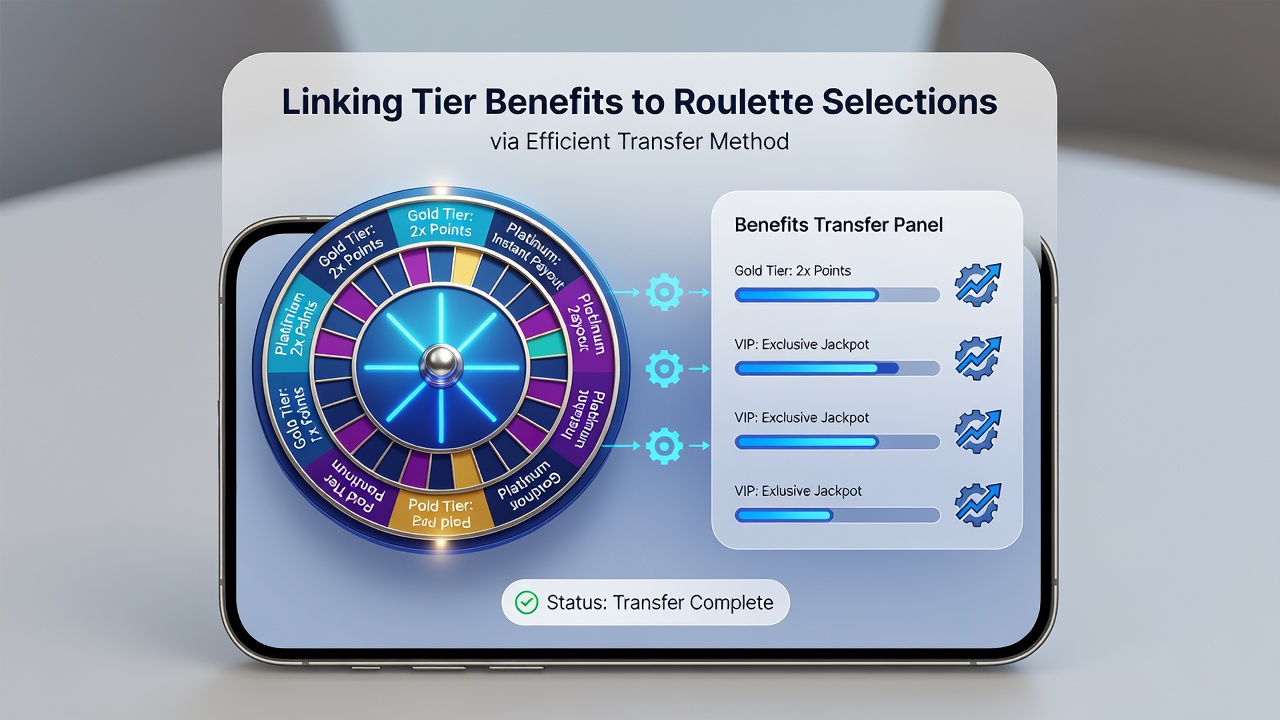
Regional Developments and Data Trends
June 2026 brought updated figures from the American Gaming Association indicating steady growth in mobile table game revenue, with roulette contributing notably in states where app-based play expanded. Operators in these markets use transfer methods compliant with local rules to ensure tier benefits activate only after verified deposits. Similar patterns appear in reports from the Malta Gaming Authority, where cross-border apps link tier status to roulette selections through standardized payment rails that maintain audit trails for both funds and rewards.
Experts tracking these platforms observe that efficient transfers minimize downtime between deposit and game selection, which in turn accelerates the accumulation of tier points. When a user moves funds via an approved e-wallet, the app logs the action and adjusts available roulette options accordingly, such as granting access to high-limit wheels or applying loyalty cashback to specific bet types. This process operates across different device ecosystems without requiring additional verification steps once initial account setup completes.
Operational Examples Across Platforms
Several apps demonstrate the linkage by displaying tier status prominently on the roulette lobby screen, with transfer buttons positioned next to each wheel variant. A mid-tier player might see European roulette highlighted with an added bonus round available after completing a qualifying transfer, while lower tiers receive standard options until their status advances. Data indicates these visual cues combined with seamless funding paths lead to higher conversion rates from free play to paid sessions.
Industry analyses from the Canadian Gaming Association note that operators adopting unified transfer and loyalty systems report improved retention metrics, particularly when roulette selections update dynamically based on recent transaction history. The connection works because the transfer method carries metadata that the loyalty engine reads to determine eligibility for tier perks, such as free bets on chosen wheel types or enhanced payout tables reserved for elevated members.
Conclusion
Linking tier benefits to roulette selections through efficient transfer methods creates a streamlined pathway that operators continue to refine in app environments. Records from June 2026 confirm ongoing adoption of these systems across multiple jurisdictions as platforms prioritize speed and integration between funding tools and reward structures. Players encounter these connections daily when deposits trigger immediate updates to available game options and associated perks, resulting in measurable patterns of extended engagement documented in sector reports.