How Verification Timelines Shape Reward Sequences in Global App-Based Table Gaming
Leon Hansen · Aug 18, 2026
How Verification Timelines Shape Reward Sequences in Global App-Based Table Gaming
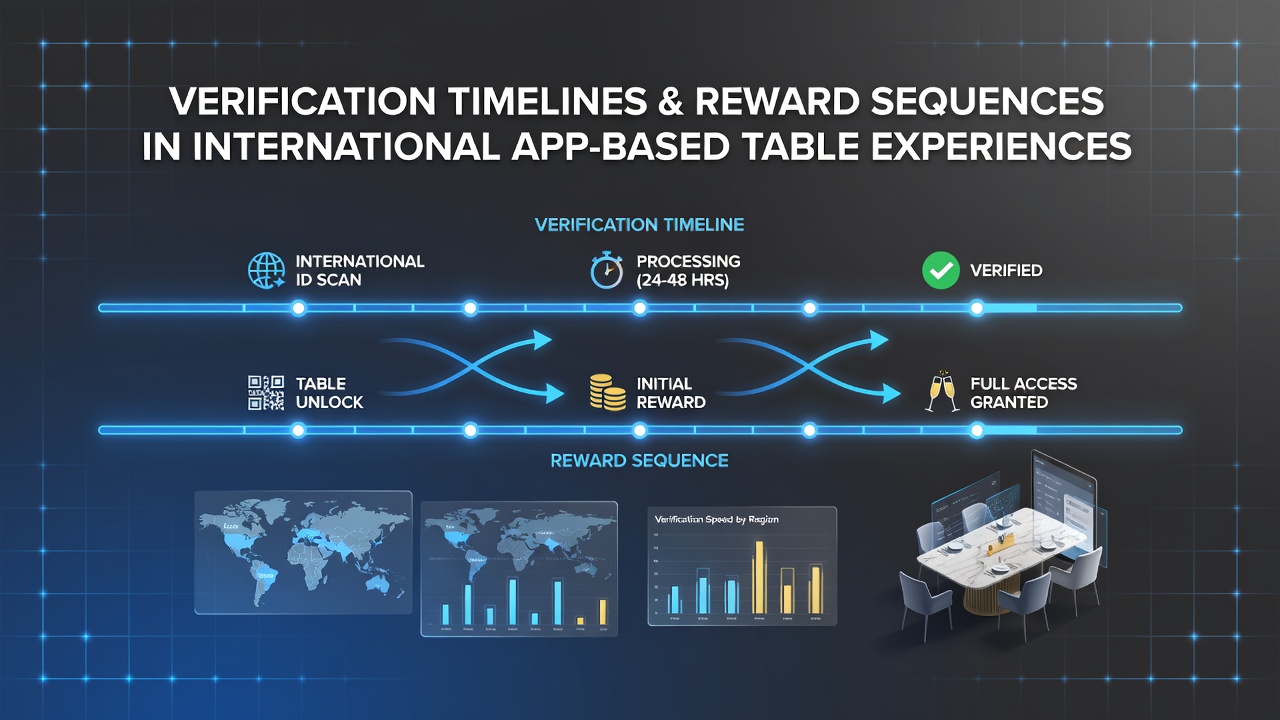
Verification processes in app-based table experiences require players to complete identity checks before reward sequences activate, and these timelines vary sharply across jurisdictions because regulatory frameworks dictate how quickly operators may release bonuses or loyalty credits. Data from the American Gaming Association indicates that standard KYC completion in regulated U.S. markets often takes between 24 and 72 hours while players in certain Asian jurisdictions encounter waits that stretch to five business days when additional documentation layers apply.
Core Elements of Verification Timelines
Operators collect government-issued identification, proof of address, and sometimes biometric data to satisfy anti-money laundering rules, and the speed of approval directly determines when welcome bonuses or deposit-match rewards become available for roulette or blackjack sessions. In practice, automated systems handle initial scans within minutes yet manual reviews triggered by discrepancies push completion dates outward, which delays the first reward trigger in a sequence that otherwise would unlock after a qualifying deposit.
Reward Sequences in Mobile Table Environments
Reward sequences typically begin with a sign-up incentive, progress through deposit-linked matches, and advance into tiered loyalty points earned on live dealer tables, yet each stage remains contingent on verified status. Players who clear verification early gain immediate access to the second and third reward layers, while those still pending encounter locked features even after funds appear in their accounts.
International Regulatory Influences on Timing
European markets governed by national licensing bodies enforce verification windows that average 48 hours, whereas certain Canadian provincial frameworks allow operators to grant limited reward access once basic identity data passes automated checks. Australian regulators require full verification before any bonus conversion occurs, which creates a longer initial delay but reduces later interruptions when players attempt to withdraw winnings from table game sessions.
August 2026 saw several operators in Southeast Asian jurisdictions update their verification portals to integrate real-time passport scanning, and early figures reveal that average approval times dropped from 96 hours to 36 hours in those markets. This shift allowed reward sequences to advance faster for players engaging in mobile blackjack and baccarat, while regions without similar upgrades maintained longer bottlenecks.

Intersection Points Between Verification and Rewards
The critical intersection occurs at the moment a player attempts to claim the first bonus after deposit, because systems block reward activation until verification status turns green. Research published by the Gambling Research Exchange Ontario shows that players who complete verification within the first 24 hours unlock an average of 18 percent more loyalty points over a 30-day period compared with those whose checks extend beyond three days.
Additional friction appears when cross-border players switch devices or travel between regions, since location-based rules can reset verification requirements and pause ongoing reward sequences mid-tier. Operators respond by issuing temporary status flags that preserve partial progress, yet full sequence resumption still demands fresh documentation review in many cases.
Operational Adjustments by Platform Providers
Platform providers have introduced staged verification tiers that grant basic reward access after lighter checks and reserve full loyalty ladder progression for complete approval, adn this approach reduces player drop-off while maintaining compliance. In August 2026 several major app developers expanded these tiered models across multiple continents, allowing verified users in one jurisdiction to carry partial reward eligibility when they register in another.
Transaction monitoring systems now flag high-volume table game activity that occurs before full verification, which can extend review times and interrupt reward sequences at later stages. Observers note that operators balance these safeguards against user retention goals by sending targeted reminders that prompt players to upload missing documents promptly.
Conclusion
Verification timelines and reward sequences remain tightly coupled across international app-based table experiences because regulatory requirements determine the pace at which operators may release incentives. Regions that streamline approval processes enable smoother progression through bonus layers and loyalty tiers, while slower markets create extended gaps that affect overall player engagement with mobile roulette and blackjack offerings. Continued platform updates and regulatory refinements will likely narrow these gaps further in coming periods.