Examining How Payout Verification Speeds Connect to Reward Unlocking Sequences in Smartphone Card and Reel Sessions
Henrik Hartmann · Aug 23, 2026
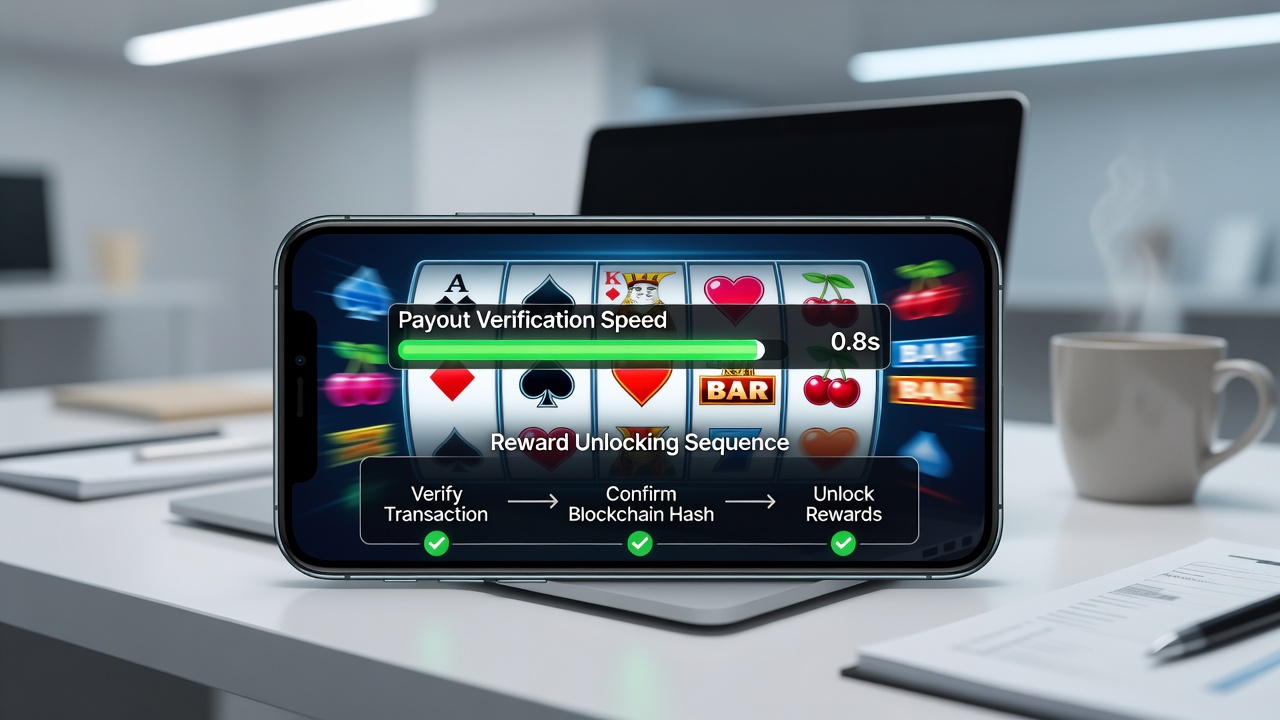
Examining How Payout Verification Speeds Connect to Reward Unlocking Sequences in Smartphone Card and Reel Sessions
Smartphone card and reel sessions rely on interconnected systems where payout verification speeds determine the timing of reward unlocking sequences, and data from mobile gaming platforms shows these processes operate through automated transaction checks that feed directly into loyalty program triggers. Observers note that faster verification often aligns with quicker access to bonus rounds or tiered perks in apps handling both slot reels and table card formats.
Core Mechanics of Verification in Mobile Environments
Transaction processing in these sessions begins when a user completes a spin or hand, after which backend systems confirm fund movements before any reward activation occurs, while studies from industry monitoring groups indicate that delays in this step can shift the entire unlocking timeline by minutes or hours depending on network load. Researchers discovered that verification protocols typically scan for compliance markers such as account status and payment method validity before releasing rewards, and this sequence applies equally to reel-based wins and card game payouts in portable formats.
August 2026 saw several platforms update their verification algorithms to handle higher volumes from expanded 5G networks, resulting in average confirmation times dropping across major operators according to aggregated transaction logs. Those who track these patterns find that reel sessions often process verifications in under 30 seconds during peak hours, whereas card sessions involving multiple players may require additional cross-checks that extend the window slightly.
Links Between Speed and Reward Sequences
Once verification clears, reward unlocking follows a predefined order where initial bonuses activate first, followed by loyalty points and then higher-tier access, and evidence from platform analytics reveals that quicker payouts correlate with smoother progression through these stages without user intervention. People often find that when verification completes rapidly, the system immediately unlocks the next sequence element such as free spins or multiplier enhancements in reel games, or additional card draw options in table sessions.
Take one developer who integrated real-time API calls from payment processors, which allowed reward triggers to fire within the same session rather than requiring a return visit. Data indicates this approach reduced drop-off rates in mobile sessions by aligning payout confirmation directly with the unlocking pathway, especially in games that combine card mechanics with reel elements.

Regional Regulatory Influences on Timing
Regulatory frameworks shape how quickly these sequences can unfold, with bodies like the New Jersey Division of Gaming Enforcement setting standards for transaction transparency that affect verification pacing in U.S. markets, while similar guidelines from the Casino Regulatory Authority of Singapore influence Asian operators handling cross-border mobile play. Observers note that platforms adhering to these rules build in mandatory hold periods that can extend verification yet ensure reward unlocking remains predictable once clearance arrives.
Figures from the UNLV Center for Gaming Research highlight that operators using tiered verification levels, where smaller payouts clear faster than large ones, maintain higher user retention in both card and reel categories on smartphones. This structure connects payment speed to reward access by prioritizing routine transactions, allowing loyalty ladders to advance without interruption during extended sessions.
Technical Factors Affecting Sequence Flow
Network conditions and device capabilities play direct roles in verification speeds, since smartphone sessions depend on stable connections to complete the checks that precede reward activation, and reports show that 5G adoption has narrowed gaps between reel and card game processing times in recent months. Experts have observed that when verification encounters temporary bottlenecks, the unlocking sequence pauses at the next milestone until confirmation arrives, preserving the integrity of bonus distribution across portable formats.
Platforms that employ automated retry mechanisms for failed verifications often see reward sequences resume seamlessly once the issue resolves, turning potential delays into minimal disruptions. Those who've studied session data note this resilience proves especially useful during high-traffic periods when multiple users engage with card tables and reel games simultaneously.
Conclusion
Verification speeds and reward unlocking sequences in smartphone card and reel sessions form a linked chain where each confirmed payout advances the next stage of access, and ongoing platform refinements continue to tighten these connections through improved technology and regulatory compliance. Data shows the relationship remains central to how mobile gaming maintains consistent engagement across diverse game types and regions.