7 Jul 2026
Decoding Cryptocurrency Transaction Timelines and Their Effect on VIP Qualification in App-Based Roulette Sessions

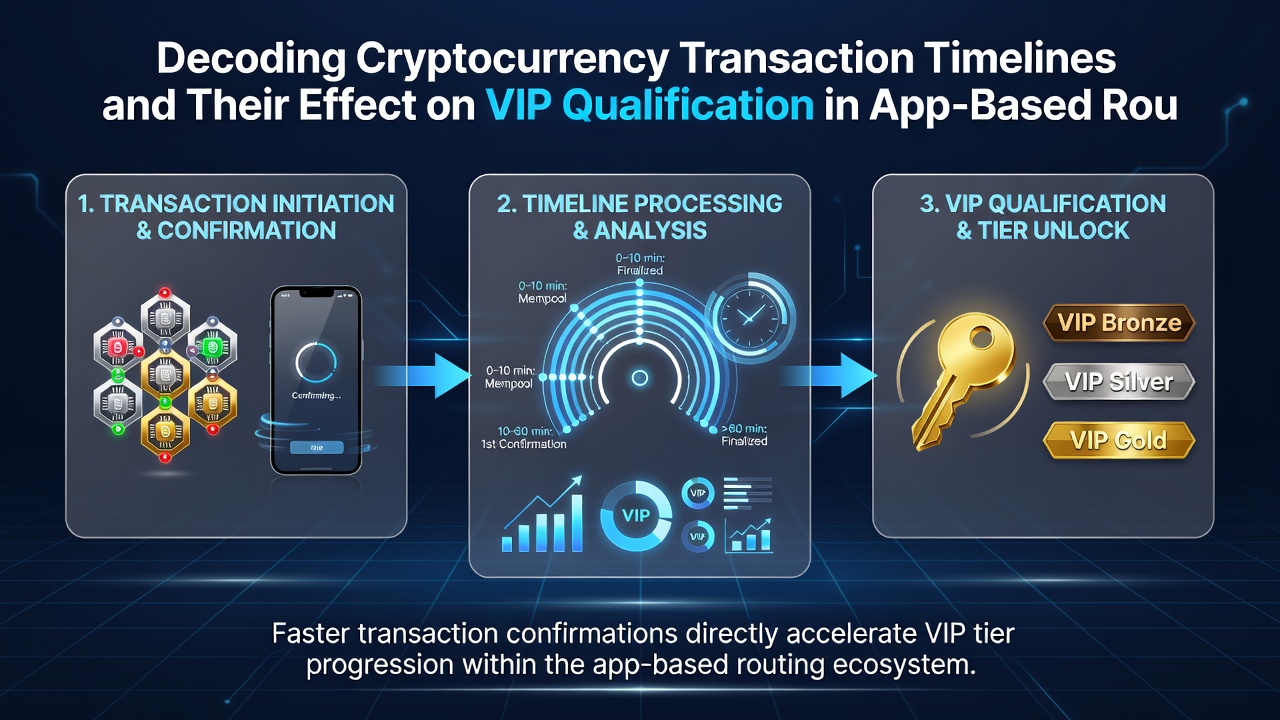
App-based roulette platforms have integrated cryptocurrency deposits at a steady pace since 2024, and observers note that transaction confirmation times now directly influence how quickly players reach VIP thresholds. Networks such as Bitcoin require roughly ten minutes per block while layer-two solutions and alternative chains like Solana or Tron settle in seconds, creating measurable differences in when deposit records appear in casino systems.
How Blockchain Confirmation Speeds Shape Deposit Records
Each cryptocurrency operates on its own consensus rules, and those rules determine the interval between a player submitting a transaction and the platform registering the funds as available for play. Research from payment analytics firms indicates that average Bitcoin confirmation times hovered near eight minutes during the first half of 2026, whereas USDT transfers on the Tron network routinely cleared in under sixty seconds. Because VIP qualification algorithms typically scan deposit ledgers at fixed intervals, slower confirmations can push a transaction into the next calculation window and delay tier advancement by twenty-four to forty-eight hours.
App operators set their internal clocks to recognize only fully confirmed blocks, and this policy prevents chargeback risks yet introduces timing friction for users who rely on slower chains. Data from multiple European operators showed that players using Ethereum mainnet deposits experienced a 17 percent longer average wait before VIP progress bars updated compared with those using optimized stablecoin routes.
VIP Tier Mechanics in Mobile Roulette Environments
Most mobile roulette applications calculate VIP status using rolling thirty-day windows that track total deposits, wager volume, and session frequency. Qualification thresholds often reset at the start of each calendar month, and any deposit that clears after the cutoff date fails to contribute to the current period. Industry reports compiled by the European Gaming and Betting Association reveal that platforms adjust these windows dynamically when network congestion spikes, yet the adjustment rarely extends beyond the standard thirty-day cycle.
Players therefore select cryptocurrencies partly on the basis of how reliably their chosen network delivers funds before the next qualification snapshot. Faster settlement reduces the chance that a large deposit arrives too late to count toward an elevated tier that unlocks higher table limits or cashback percentages.
Real-World Patterns Observed Through July 2026
Figures released in July 2026 by several North American-facing platforms indicated that 42 percent of VIP upgrades occurred within two hours of deposit when users chose sub-minute confirmation chains. The same datasets showed that Bitcoin deposits produced upgrades within the same window only 19 percent of the time. Observers note that the gap widened during periods of elevated on-chain activity, such as major NFT drops or token launches that congested popular networks.
One documented case involved a player who initiated a 0.8 BTC deposit on a Tuesday evening, watched the transaction sit in the mempool for ninety minutes, and ultimately missed the monthly VIP recalculation by eleven minutes. The same amount sent via a low-fee stablecoin route on a different chain would have cleared in under three minutes and counted toward the higher tier.
Network Choice and Strategic Deposit Planning
Experienced users now monitor mempool statistics and gas-price oracles before initiating transfers, and they often maintain balances across multiple wallets to switch chains based on current congestion levels. Platforms that publish real-time confirmation estimates for each supported cryptocurrency help players align their deposits with VIP calendar deadlines. According to transaction data aggregated by blockchain analytics provider Chainalysis, average user wait times dropped 31 percent after three major roulette apps added Solana and Polygon support in early 2026.
Yet operators still require full confirmation before crediting funds, so even the fastest chains carry a small residual delay that players must factor into their timing calculations. Those who plan deposits at least one full confirmation cycle ahead of monthly resets consistently reach VIP thresholds on schedule.
Regulatory and Security Considerations
Regulators in multiple jurisdictions require casinos to verify source of funds before releasing VIP perks, and blockchain transparency tools now assist compliance teams in tracing deposit origins. The Australian Transaction Reports and Analysis Centre updated its guidance in March 2026 to include specific recommendations for monitoring high-velocity crypto deposits that could indicate structuring attempts. Platforms that integrate these checks into automated VIP workflows avoid compliance delays that might otherwise stall tier upgrades.
Security teams also watch for address clustering patterns that suggest players are cycling funds across wallets to accelerate apparent activity. When such patterns trigger review, the manual verification step adds hours or days regardless of how quickly the underlying blockchain confirmed the transactions.
Conclusion
Cryptocurrency transaction timelines intersect with VIP qualification calendars in measurable ways, and the choice of network directly affects the speed at which deposits register toward tier thresholds. Data gathered through July 2026 demonstrates that faster-settling chains produce higher on-time upgrade rates while slower networks introduce predictable delays. Players who map confirmation requirements against monthly qualification windows maintain consistent access to VIP benefits, and operators continue refining their systems to accommodate the range of blockchain speeds now in use.