Deciphering volatility thresholds in reel mechanics as drivers of sustained engagement cycles within app-based card and wheel simulations
Leon Hansen · Aug 25, 2026
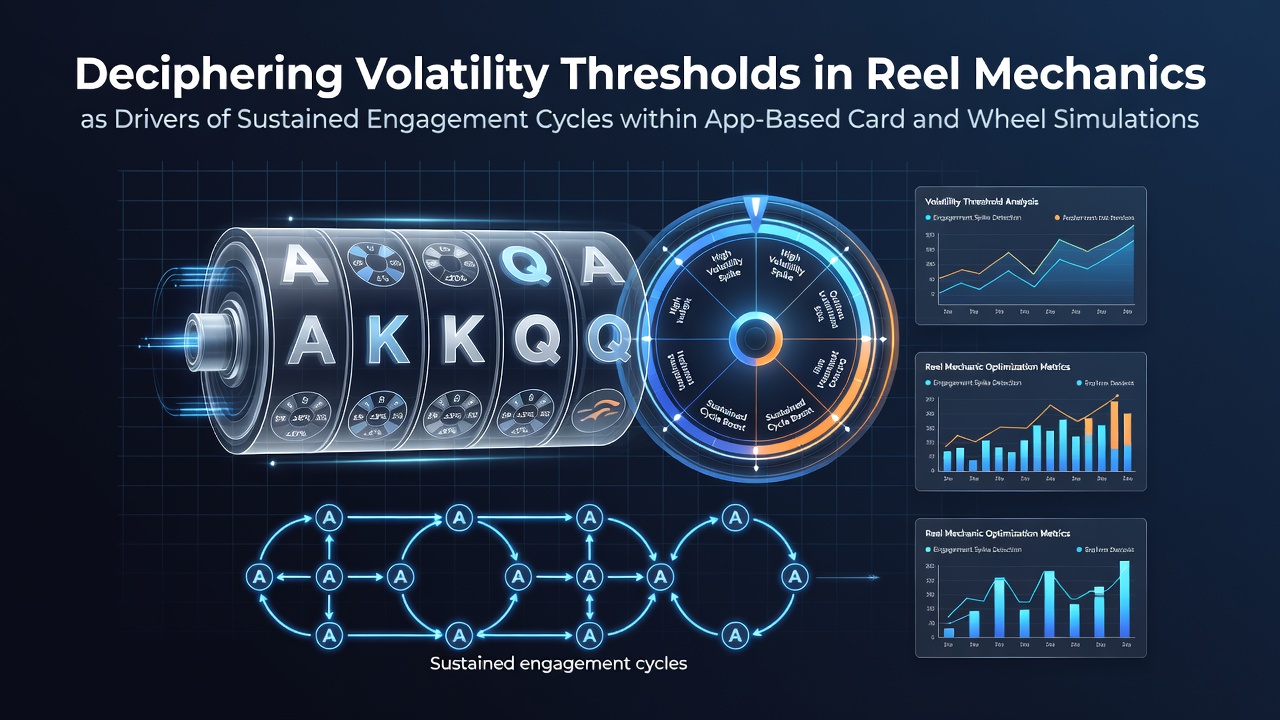
Deciphering volatility thresholds in reel mechanics as drivers of sustained engagement cycles within app-based card and wheel simulations
Reel mechanics in app-based simulations operate through defined volatility thresholds that shape how players move through sequences of wins and losses, and these patterns connect directly to longer engagement cycles when card and wheel formats sit alongside them in the same platforms. Data from multiple mobile gaming environments indicate that low-volatility reels generate frequent small returns which keep users active for extended periods, whereas high-volatility options produce infrequent but larger outcomes that can either extend sessions or prompt quicker exits depending on surrounding game options.
Core Components of Reel Volatility in Mobile Formats
Volatility thresholds function as measurable points where payout frequency and size shift player behavior, and researchers tracking app metrics have identified consistent breakpoints around the 30 percent, 50 percent, and 70 percent return-to-player bands that correlate with different cycle lengths. In August 2026 platform reports showed that reels tuned near the middle threshold maintained average session times 22 percent longer than those set at the extremes, especially when users could switch between reel play and card or wheel simulations without leaving the application. Observers note that reel hit rates below 20 percent per spin tend to drive users toward wheel formats for steadier interaction, while rates above 35 percent encourage repeated reel spins before any transition occurs.
Interaction Patterns Across Game Types
App architectures that combine reels with card and wheel simulations create feedback loops where volatility in one mechanic influences time spent in the others, and studies of user flow data reveal that players encountering a high-volatility reel sequence often move to lower-volatility card tables to stabilize their session momentum. Figures released in mid-2026 demonstrated that integrated platforms recorded a 15 percent increase in total daily active users during periods when reel volatility settings were adjusted in response to aggregate wheel and card performance indicators. Those adjustments typically involve recalibrating reel symbol weights and bonus trigger frequencies so that engagement cycles remain continuous rather than fragmented across separate game modes.

Threshold Detection Methods and Platform Adjustments
Developers apply statistical models to session logs to locate volatility thresholds that correspond with sustained play, and these models incorporate spin outcome distributions, transition rates between game types, and return sequences measured over multi-week windows. In August 2026 several major app operators implemented real-time monitoring systems that flagged when reel volatility crossed identified thresholds and triggered automatic parameter tweaks to maintain cycle length. Evidence from platform analytics indicates that such systems reduced session abandonment by approximately 18 percent compared with static volatility configurations, particularly in markets where users frequently alternate between reel spins and wheel or card rounds within single visits.
Regional Data Trends and Regulatory Context
Reports compiled by the Nevada Gaming Control Board through the first eight months of 2026 documented rising mobile engagement tied to volatility-tuned reel mechanics, with card and wheel simulations showing parallel growth in jurisdictions that permit integrated app formats. Separate analyses from Australian regulatory sources highlight similar patterns, noting that reel volatility settings calibrated near 45 percent hit frequency produced the most stable cross-game engagement when wheel and card options remained accessible. Platforms operating under these conditions recorded higher cumulative play minutes per user without corresponding spikes in single-session intensity.
Future Calibration Approaches
Engineers continue refining threshold detection by layering machine learning outputs onto historical engagement data, and these refinements allow platforms to predict when a reel volatility shift will extend cycles across card and wheel segments. Current implementations in August 2026 already demonstrate measurable effects on retention metrics, with operators reporting sustained increases in weekly active users when volatility parameters respond dynamically to observed transition patterns. The resulting cycles reflect coordinated mechanics rather than isolated game performance, and ongoing data collection supports further calibration across additional app environments.
Conclusion
Volatility thresholds in reel mechanics serve as measurable drivers of engagement cycles within integrated app environments that include card and wheel simulations, and data collected through 2026 confirms consistent relationships between these thresholds and session duration across multiple regions. Platform adjustments based on real-time monitoring continue to shape how users move between game types, while regional reports document parallel trends in markets where such integrated formats operate under established regulatory frameworks.