12 Jul 2026
Currency Corridors and Club Ascents: The Interplay of Transfer Systems with Status Building in Mobile Slot and Table Play
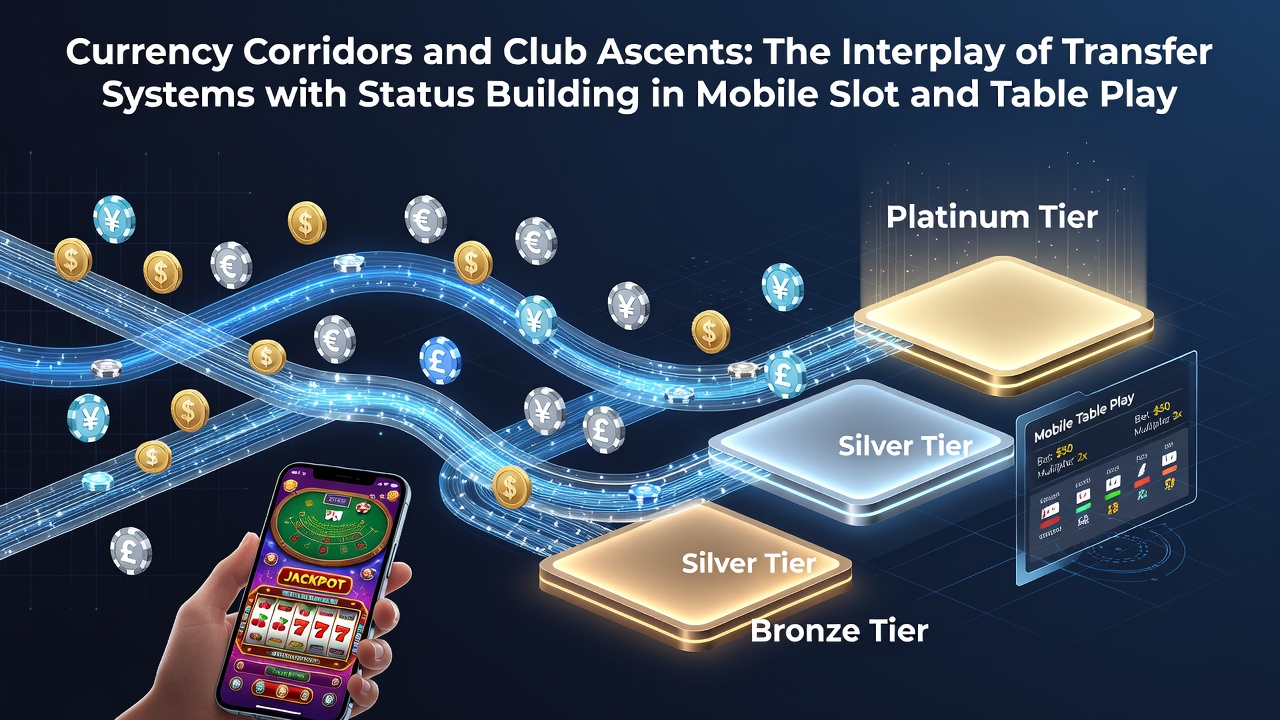
Payment pathways and loyalty structures have become tightly connected in mobile slot and table environments, where transfer methods shape how players move through tiered club systems. Operators design these corridors to handle deposits and withdrawals while feeding data into status tracking tools that determine rewards and access levels. Players who route funds through specific channels often accelerate their progress toward higher tiers because systems log transaction volume, frequency, and method type as qualifying activity.
Transfer Mechanisms in Portable Gaming Formats
Mobile platforms support multiple corridors including digital wallets, instant bank transfers, and prepaid options that move funds into and out of slot and table sessions. Each corridor carries distinct processing speeds and fee structures that influence how quickly players can sustain play and meet tier requirements. Systems record the corridor used for each transaction, and this information feeds directly into algorithms that calculate progress toward silver, gold, or platinum status. Data from July 2026 shows increased adoption of instant corridors during peak mobile hours, particularly for table games where session continuity matters for maintaining multiplier bonuses tied to status.
Club Structures and Ascent Pathways
Loyalty clubs assign tiers based on accumulated points earned through deposits, wagers, and time spent in mobile formats. Entry-level tiers grant basic perks such as bonus credits, while mid and upper tiers unlock faster withdrawals, dedicated support lines, and exclusive game access. Ascent depends on consistent corridor usage because many programs weight points differently depending on the payment method chosen. Operators integrate these rules into their mobile applications so players see real-time status updates after each completed transfer and wager cycle.
Intersection Points Between Corridors and Tiers
The interplay appears most clearly when players select corridors that qualify for bonus multipliers on points. Certain wallet providers trigger extra status credit because they integrate directly with operator databases, allowing instant verification and reduced processing delays. In contrast, slower corridors may delay point posting and temporarily stall ascent. Research from industry monitoring groups indicates that players who combine high-volume table play with verified instant corridors reach elite tiers 30 to 40 percent faster than those using standard bank routes. This pattern holds across both slot and live dealer formats on handheld devices.
Status benefits extend beyond rewards into practical advantages like priority entry into high-limit mobile tables and customized promotional offers. These incentives create feedback loops where continued corridor use reinforces tier position and encourages further activity. Observers note that programs often adjust corridor weighting quarterly to balance operational costs with player retention goals, and July 2026 adjustments emphasized instant methods to match rising demand for seamless mobile experiences.

Regional Patterns and Regulatory Influences
North American operators have aligned corridor options with state-specific rules on player verification, which affects how quickly status points accumulate. European frameworks place additional emphasis on responsible transfer limits that can cap the speed of tier ascent for certain users. Australian and Canadian markets show similar integration where loyalty ladders reward corridors that support strong identity checks. These regional differences create varied ascent speeds depending on where players access mobile slot and table content.
Take one operator group that introduced corridor-specific point bonuses in early 2026. Players using approved digital wallets earned double status credit on table game wagers, leading to measurable shifts in tier distribution within three months. Such targeted adjustments demonstrate how transfer systems function as levers within broader loyalty architecture.
Data Trends Through Mid-2026
Figures compiled by the American Gaming Association reveal steady growth in mobile transaction volumes through verified corridors, with corresponding increases in tiered player counts. Parallel reports from the Canadian Gaming Association highlight comparable patterns in cross-border mobile sessions. These statistics underscore the measurable link between corridor efficiency and club progression rates across different jurisdictions.
Conclusion
Currency corridors and club ascent mechanisms continue to evolve together in mobile slot and table environments. Transfer methods supply the raw activity data that loyalty systems convert into tier advancement, while status benefits in turn shape which corridors players prefer. This ongoing integration determines how players navigate mobile gaming landscapes and how operators manage engagement across portable formats.