21 Jul 2026
Behind the Screens: Authentication Systems Guiding Bonus Utilization Across Smartphone-Based Gaming Libraries
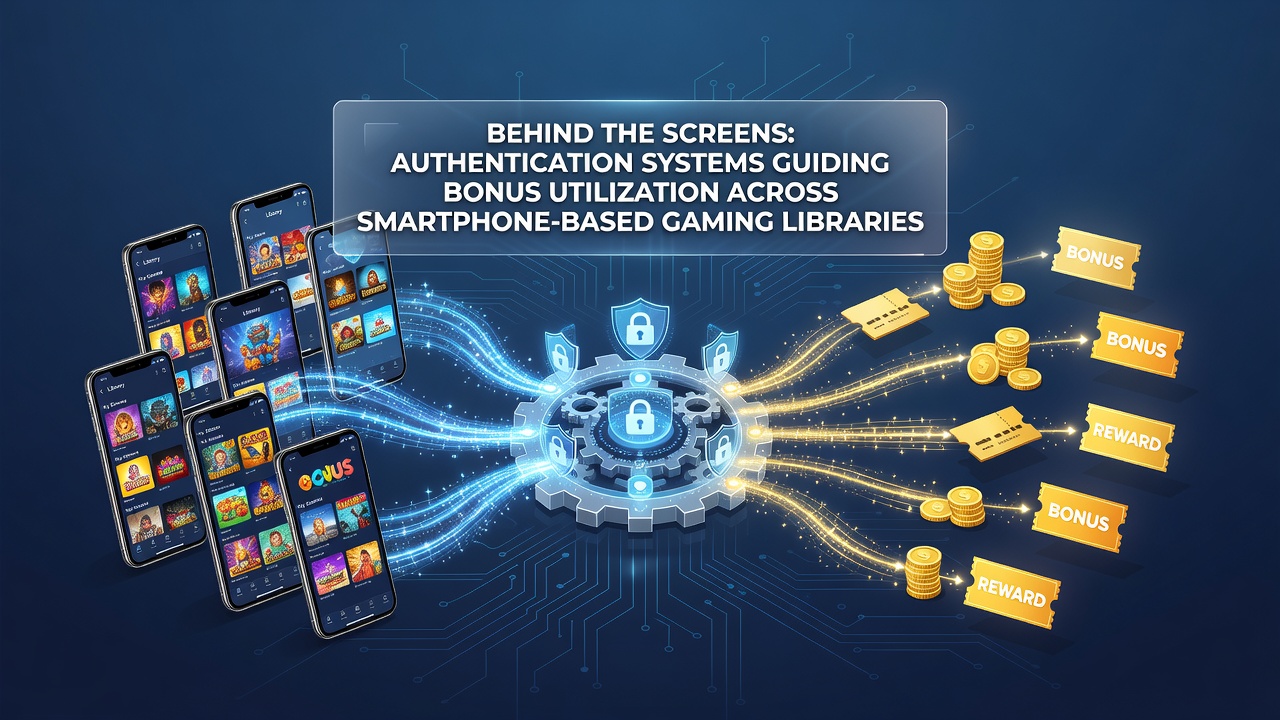
Smartphone-based gaming libraries rely on layered authentication protocols that verify user identity before any bonus activation occurs, and these systems connect directly to payment gateways as well as loyalty databases to manage reward distribution. Developers integrate biometric checks alongside traditional passwords and device fingerprinting to create continuous verification loops that reduce account sharing while confirming eligibility for deposit matches or free spins. Data from mobile gaming platforms in July 2026 indicated that over 78 percent of bonus redemptions passed through at least two distinct authentication stages before funds or credits appeared in player accounts.
Core Components of Mobile Authentication Frameworks
Authentication begins at the device level with operating system APIs that capture unique hardware identifiers, then moves to server-side validation where algorithms cross-reference login patterns against historical behavior records. Experts note that this process often incorporates facial recognition or fingerprint scans because these methods deliver faster confirmation compared with one-time passcodes sent via SMS. Once the initial login succeeds, the system evaluates the player's account status to determine which bonuses remain available, blocking access to those already claimed under the same verified identity.
Payment integration adds another checkpoint because authentication modules query banking partners in real time to confirm that deposits meet minimum thresholds required for bonus unlocking. Researchers at several industry technology firms have documented how these queries occur within milliseconds, allowing seamless transitions from deposit confirmation to bonus credit without additional user input. Observers point out that the same framework tracks wagering requirements attached to each reward, automatically updating progress bars visible inside the app interface.
Bonus Tracking and Fraud Prevention Mechanisms
Behind every bonus offer sits a rules engine that receives authenticated session data and applies geographic or temporal restrictions before releasing value. For instance, certain promotions activate only after the user completes a verified location check through GPS or Wi-Fi triangulation, preventing cross-border abuse. Studies conducted by academic groups in 2025 showed that platforms employing these location-based gates experienced a 34 percent drop in suspected bonus farming attempts compared with earlier versions that relied solely on IP addresses.
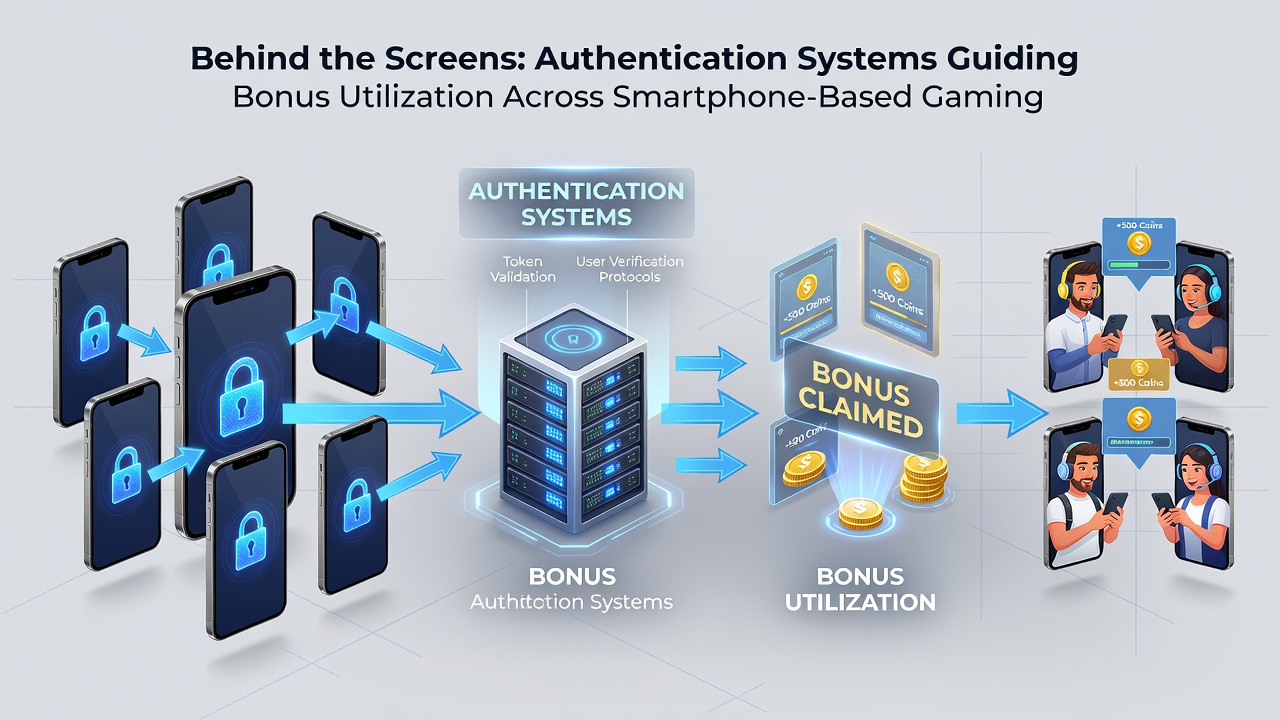
Tokenization plays a central role because each authenticated session generates temporary access tokens that expire after a set period, forcing re-verification for prolonged play sessions. This approach limits the window during which stolen credentials could exploit active bonuses. Figures released by regulatory bodies in multiple jurisdictions during the first half of 2026 revealed that tokenized sessions reduced unauthorized bonus usage by measurable margins across smartphone platforms.
Integration with Loyalty and Status Tiers
Authentication systems also feed data into tiered loyalty structures that unlock escalating bonus percentages or cashback rates. Once a player reaches a higher status level through verified play volume, the backend automatically adjusts future bonus offers without requiring manual intervention. Those who study these platforms observe that the connection between authentication logs and tier progression creates a transparent record that both operators and users can reference during disputes.
Transfer methods between different gaming titles within the same library depend on the same verified identity, allowing bonus balances to move across slot and table game sections once security checks clear. Industry reports from Australian research centers documented how such cross-title functionality increased overall engagement metrics when authentication remained consistent across the library. The same reports noted that seamless movement required continuous device trust scoring to avoid interrupting play.
Regulatory Compliance and Data Standards
Compliance frameworks in several regions mandate that authentication records be retained for audit purposes, and these records must demonstrate clear separation between bonus eligibility checks and general account access. Nevada Gaming Control Board guidelines updated in early 2026 emphasized the need for auditable logs that link every bonus transaction to a verified user session. Similar standards appear in Canadian provincial oversight documents that require encryption of all authentication data transmitted between mobile devices and central servers.
European data protection rules further influence system design because they require explicit consent for biometric data storage, prompting many developers to offer opt-in alternatives such as hardware security keys. Australian gambling research organizations have published findings showing that user adoption of these alternative methods remained high when the alternatives delivered comparable speed and convenience.
Conclusion
Authentication systems continue to evolve as the backbone that directs bonus utilization inside smartphone gaming libraries, connecting identity verification, payment confirmation, and loyalty tracking into one operational flow. As July 2026 data demonstrated, these mechanisms support both regulatory compliance and operational efficiency while maintaining clear boundaries around reward access. The ongoing refinement of tokenization, biometrics, and real-time checks ensures that bonus distribution stays tied to verified player activity across expanding mobile libraries.