Authentication Layers and Their Role in Shaping Access Patterns for Portable Live Table Variants
Sage Franke · Aug 18, 2026
Authentication Layers and Their Role in Shaping Access Patterns for Portable Live Table Variants
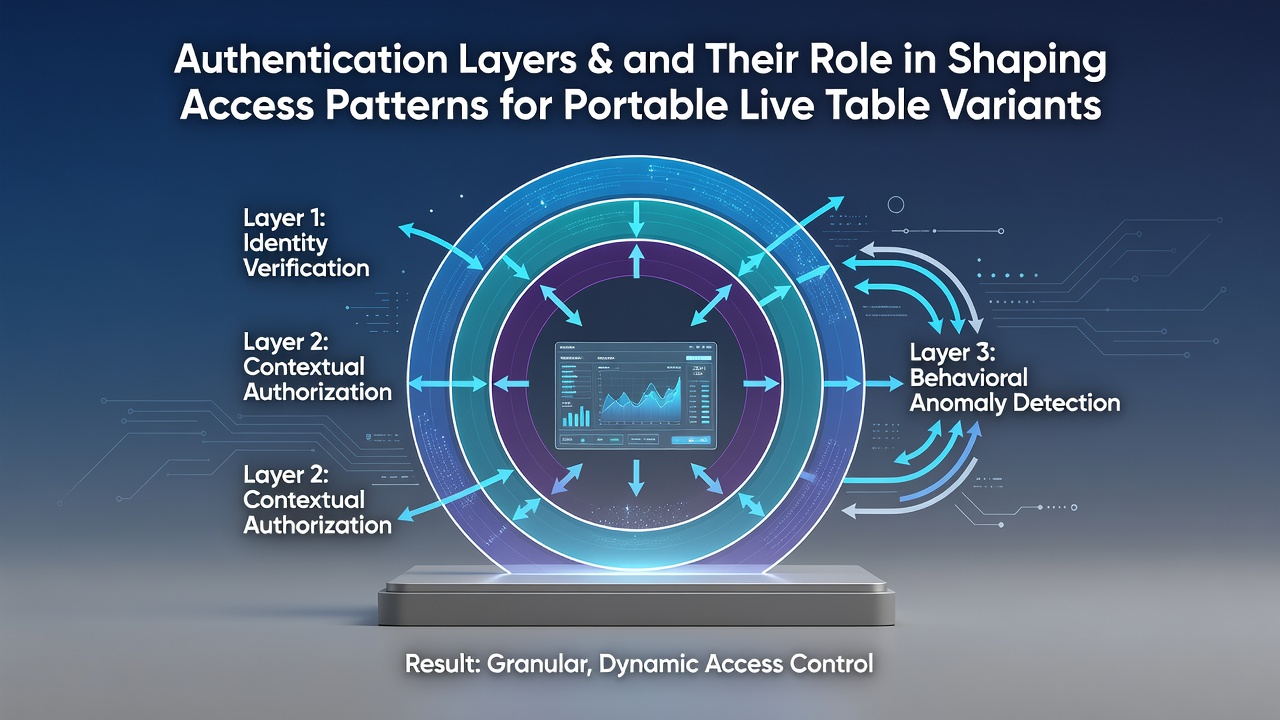
Authentication layers in portable live table variants combine device verification, biometric checks, multi-factor protocols, and regulatory compliance steps that together determine how users enter and navigate mobile platforms offering real-time dealer interactions, and these systems have grown more intricate since early 2025 as operators responded to expanding regulatory demands across multiple jurisdictions.
Core Components of Authentication Layers
Device fingerprinting sits at the base level and captures hardware identifiers along with network signatures to establish initial trust before any gameplay begins, while biometric elements such as facial recognition or fingerprint scans add a secondary gate that must clear before live dealer connections activate. Multi-factor prompts often arrive through push notifications or SMS codes, and these steps integrate with know-your-customer processes that require document uploads or video verification in certain regions, creating a sequential barrier that filters access based on location, account history, and transaction volume.
Observers note that portable live table variants rely on these stacked layers because regulatory frameworks in places like Nevada and parts of the European Union require operators to verify player identity before real-money sessions start, and data from industry reports shows that sessions initiated through fully authenticated accounts last longer on average than those using lighter verification paths.
How Layers Influence Entry and Session Patterns
Access patterns shift noticeably once additional authentication steps activate, because users who complete biometric and document checks early tend to return more frequently within the same week while those encountering repeated prompts show higher rates of session abandonment after the first few minutes. Researchers tracking mobile traffic in August 2026 recorded that platforms requiring three or more verification stages saw a measurable drop in first-time entries yet recorded steadier repeat engagement from verified accounts, suggesting the friction filters casual visitors while retaining committed participants who clear the hurdles once.
Take one analysis conducted across several North American operators that found players using saved biometric profiles accessed roulette and blackjack tables 40 percent more often than those resetting credentials each time, and similar patterns appeared in data shared by the American Gaming Association covering market trends through mid-2026. Transaction speed also plays a role because seamless payment authentication tied to the same identity layer reduces the number of separate logins needed during extended play periods.

Regional Variations and Regulatory Drivers
North American markets tend to emphasize strict identity verification linked to state gaming boards, whereas operators in parts of Asia and Australia layer in additional device-based controls tied to local payment networks, and these differences create distinct access rhythms across portable formats. In jurisdictions where regulators updated rules during 2025 and early 2026, platforms introduced adaptive authentication that adjusts prompt frequency based on recent activity levels, allowing frequent users to bypass certain steps while still maintaining compliance thresholds.
Figures released by gaming authorities in multiple Canadian provinces during August 2026 indicated that accounts with integrated loyalty authentication experienced fewer interruptions during live dealer sessions, and operators adjusted their mobile interfaces accordingly to keep session continuity high once initial verification cleared. This approach connects directly to how portable variants handle traffic spikes during peak evening hours, when streamlined re-authentication prevents drop-offs that would otherwise occur mid-game.
Technical Integration and User Flow Adjustments
Backend systems now synchronize authentication status across multiple device types so that a player verified on a tablet can transition to a phone without repeating every step, and this continuity supports longer engagement windows in live table environments where timing matters. Developers have incorporated risk-scoring algorithms that evaluate login location and device history to decide whether extra layers activate, reducing unnecessary friction for established accounts while tightening controls on new or flagged sessions.
One study from an Australian research group tracking mobile gambling behavior highlighted that variants using unified authentication across reel and table formats recorded steadier player distribution between game types, because users no longer needed separate logins for each category. These technical choices shape not only entry rates but also the sequence in which players explore different live dealer options once inside the platform.
Conclusion
Authentication layers continue to evolve as portable live table variants expand, and their structure directly guides who gains entry, how often they return, and how long sessions last across different regulatory environments. Data collected through 2026 shows that balanced implementation of these layers supports both compliance requirements and sustained platform use, while ongoing adjustments in August 2026 and beyond reflect efforts to align security steps with observed access behaviors in mobile settings.