30 Jun 2026
Audit Protocols Determining Reel and Table Preferences in Smartphone Environments via Secure Exchange Routes
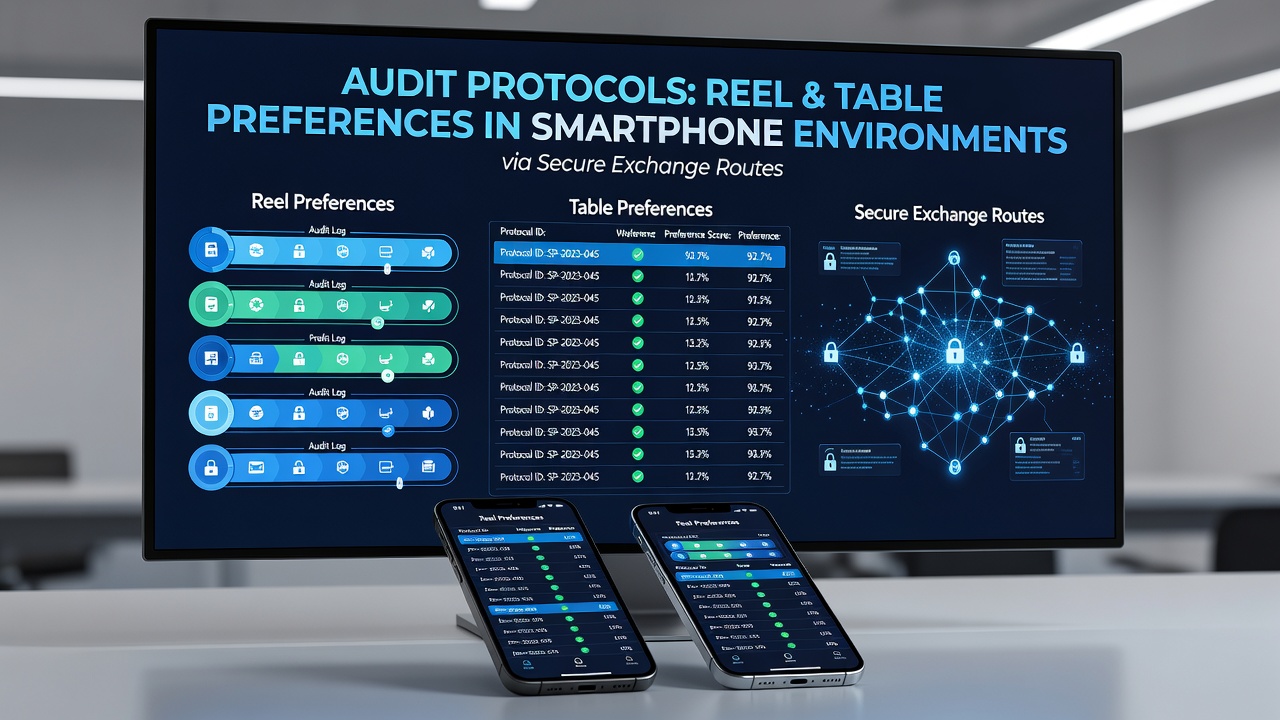
Audit protocols in smartphone casino platforms operate through structured data collection methods that track player selections between reel-based games and table formats, with secure exchange routes serving as the primary channels for transaction verification and preference mapping. These systems rely on encrypted payment pathways that record every deposit, withdrawal, and game interaction in real time, allowing auditors to identify patterns without compromising user data integrity. In June 2026 industry observers noted increased adoption of these protocols across mobile operators as regulatory bodies emphasized transparent tracking of game type engagement.
Core Components of Secure Exchange Routes
Secure exchange routes encompass tokenized payment gateways, blockchain-verified ledgers, and multi-factor authentication layers that process funds while logging associated game choices. When a player initiates a transaction through these routes, the protocol captures metadata such as session duration on specific reel titles or table variants, then cross-references it against account status tiers. This process creates auditable trails that regulatory frameworks require for compliance, particularly in jurisdictions where mobile gaming volumes have expanded rapidly since early 2025.
Operators integrate these routes with backend analytics engines that apply standardized audit checklists, and the checklists examine variables including average bet size per game category, frequency of switches between reel and table sessions, and correlation with incentive redemptions. Data shows that players who route deposits through verified digital wallets tend to favor table games during peak evening hours, whereas those using direct bank transfers show higher reel engagement across morning sessions.
How Audit Protocols Identify Preferences
Audit protocols apply rule-based algorithms and machine learning models to segment user behavior according to game type, and the models process inputs from secure exchange logs to generate preference scores. Researchers at institutions studying digital gaming economies have documented that these scores help operators adjust promotional structures, yet the underlying data remains anonymized to meet privacy standards. One protocol variant flags instances where a user shifts from reel play to live dealer tables following a large deposit, then verifies the shift against exchange route timestamps to confirm authenticity.
Implementation often involves third-party audit firms that receive aggregated datasets rather than individual records, and these firms run comparative analyses across multiple operators. In regions with mature mobile markets, such as parts of North America and Australia, protocols must align with local data retention rules that specify minimum holding periods for transaction-linked preference data. teh American Gaming Association has published summaries highlighting how consistent application of these protocols supports responsible gaming initiatives by surfacing unusual activity patterns early.
Integration with Mobile Platform Architecture
Smartphone environments present unique constraints for audit protocols because of variable network conditions and device diversity, yet secure exchange routes mitigate many risks through end-to-end encryption and session pinning. Developers embed protocol hooks directly into application code so that every game launch and funding action triggers an immutable log entry. Observers note that this architecture allows real-time dashboards to display preference shifts, such as increased table game selection after users complete identity verification steps.

Case studies from operators in multiple markets reveal that protocols can distinguish between organic preference evolution and incentive-driven changes, and the distinction matters when compliance teams review marketing effectiveness. For instance, a cluster of accounts showing sudden table game uptake after a specific deposit method becomes available can trigger deeper review of the exchange route's security configuration. Australian regulatory reporting frameworks have encouraged similar transparency measures, with summaries available through the Australian Communications and Media Authority resources on digital gambling oversight.
Regulatory and Operational Implications
Regulatory bodies increasingly mandate that audit protocols include provisions for cross-border data sharing when players access platforms from different jurisdictions, and secure exchange routes must support jurisdiction-specific tagging. This requirement adds layers to protocol design but also strengthens overall system resilience against fraud. In June 2026 several operators reported completing protocol upgrades that incorporated enhanced logging for reel versus table transitions, aligning with updated guidance from international standards groups.
Operational teams use the resulting datasets to refine game libraries and payment options, though decisions remain grounded in aggregated metrics rather than individual profiles. Protocols also flag potential problem gambling indicators by monitoring rapid preference swings accompanied by elevated transaction volumes through particular exchange routes. Such flags prompt responsible gaming interventions that operators document for audit purposes.
Conclusion
Audit protocols that determine reel and table preferences in smartphone settings continue to evolve alongside advances in secure exchange technology, and the combination delivers verifiable insights into player behavior while meeting compliance demands. As mobile platforms expand, these systems provide the structured foundation operators and regulators rely upon for transparent oversight. Continued refinement of protocol standards will likely focus on improving cross-device consistency and reducing latency in preference data capture, ensuring the mechanisms remain effective as transaction volumes grow.